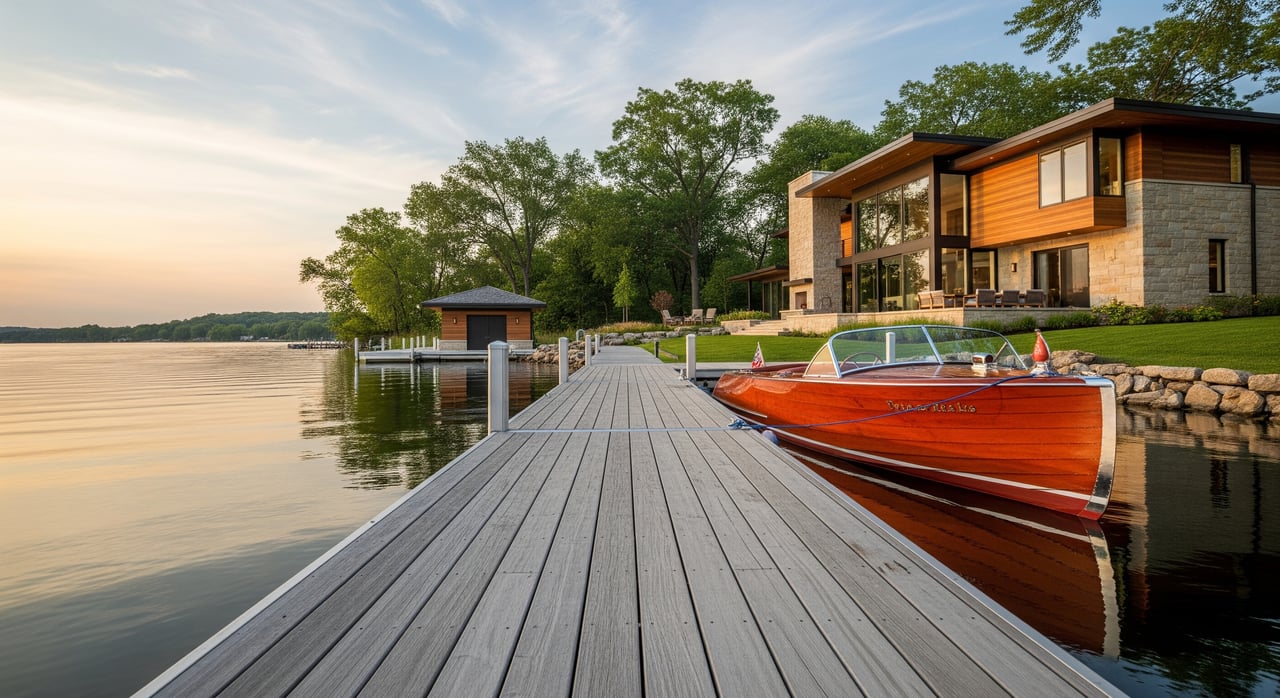
Thinking about buying a lakeshore home on Lake Waconia or a nearby Carver County lake? The view is only part of the story. Lakeshore comes with unique terms, rules, and permits that shape what you can build, where you can place a dock, and how you access the water. If you learn the basics up front, you can shop with confidence and avoid costly surprises later.
This guide breaks down the key lakeshore terms in plain English, explains who sets the rules in and around Waconia, and gives you a practical checklist for your due diligence. You will know which questions to ask and which documents to request before you write an offer. Let’s dive in.
Who sets lakeshore rules in Waconia
Multiple agencies share responsibility for Minnesota lakes and shoreland, and you will likely work with more than one during your purchase or any future improvements.
- Minnesota Department of Natural Resources (DNR). Sets statewide definitions and rules for public waters, the ordinary high water level, and activities in the water and lake bed, including many dock and shoreline projects.
- Carver County and the City of Waconia. Implement local shoreland zoning, building setbacks, septic system regulation, and permits. Local ordinances can be stricter than state guidance.
- Local associations. Lake associations and homeowner associations may add rules for dock placement, seasonal removal, shared access, and maintenance.
Your best move is to check all three layers. Start with the City of Waconia if the property is inside city limits. Check Carver County if the lot is outside city limits. Contact the DNR for any work that touches the water or lake bed.
Key lakeshore terms you should know
Riparian rights
What it means: The rights a property owner has to reasonably access and use adjacent water for things like boating, docking, and recreation.
Why it matters: These rights are limited by state public trust principles and local rules. They do not guarantee the right to build or expand a dock, alter the lake bed, or block public navigation. Some properties rely on shared access or have recorded restrictions.
Buyer actions:
- Confirm whether the lot has private riparian access, shared access, or only an easement.
- Review title for any recorded restrictions that limit dock placement or use.
Ordinary High Water Level (OHWL or OHW)
What it means: The line on the shore that marks typical high water. The DNR identifies the OHWL using visual signs like vegetation changes, water staining, or debris lines.
Why it matters: Setbacks, permits, and many rules are measured from the OHWL, not the water’s edge on a given day. Encroachments into setback areas can trigger compliance issues.
Buyer actions:
- Request a recent survey that shows the OHWL or have a surveyor locate it.
- Verify that existing improvements meet setback requirements measured from the OHWL.
Shoreline or shoreland setback
What it means: The minimum distance a structure must be from the OHWL. It applies to homes, decks, garages, and accessory buildings.
Why it matters: Setbacks affect where you can build or expand, and they can influence septic placement and views.
Buyer actions:
- Ask the City of Waconia or Carver County for the exact setback for the parcel and zoning district.
- Check if the lot has a variance history that affects buildability.
Shoreland zoning and shoreland alteration
What it means: Local ordinances that govern land use and changes within the shoreland district, including vegetation removal, grading, and shoreline stabilization.
Why it matters: Activities like clearing vegetation, adding riprap, or regrading often require permits. Many programs favor natural buffers to protect water quality.
Buyer actions:
- Review records to see if past alterations were permitted.
- Discuss any plans for shoreline changes with local staff before you buy.
Docks, moorings, and boathouses
What it means: Structures that provide access to the water. Docks may be seasonal or permanent. Boathouses are enclosed storage structures and may face stricter limits.
Why it matters: Docks can require permits, and placement must respect neighboring riparian rights and public use. Some lakes limit size or location. Boathouses may be prohibited.
Buyer actions:
- Request copies of any existing dock permits or agreements.
- Confirm whether the dock encroaches into areas that would conflict with public or neighboring use.
Easement (lake access, shared access, utility)
What it means: A recorded right that lets someone use part of a property for a specific purpose, such as accessing the lake across another parcel.
Why it matters: Many lake properties rely on an access easement rather than direct frontage. The terms affect usability, maintenance responsibilities, exclusivity, and parking.
Buyer actions:
- Review the deed and title report for all recorded easements and their exact location.
- Understand maintenance, parking, and docking rights before you write an offer.
Bluff, bluff impact zone, and steep slopes
What it means: A bluff is a steep slope that often triggers extra protections. Bluff impact zones are areas above a bluff with added building limits.
Why it matters: Bluffs can shrink the buildable area, increase setbacks, and require engineering or stabilization.
Buyer actions:
- Ask for site plans that show any bluff delineation and related limits.
- Confirm whether the parcel falls in a bluff impact zone.
Riprap, seawalls, and shoreline stabilization
What it means: Measures to manage shoreline erosion. Hard armoring like riprap and seawalls may require permits. Vegetative solutions are commonly encouraged.
Why it matters: Unpermitted armoring can lead to enforcement or required restoration. Choosing the right method affects water quality and long-term maintenance.
Buyer actions:
- Verify that any riprap was installed with permits and to the approved specifications.
- Ask local staff what future stabilization options would qualify for permits.
Public trust doctrine and public waters
What it means: Minnesota holds navigable public waters in trust for public use. The state regulates many uses of public waters.
Why it matters: Owning shoreline does not mean you own the water or lake bed. Public rights like navigation can limit exclusive control.
Buyer actions:
- Confirm whether the lake is a public water and understand how public rights interact with your private use.
Seasonal dock removal and ice considerations
What it means: Many docks are removed or secured for winter to avoid ice damage. Ice-out timing affects when docks go in and when boating starts.
Why it matters: Winter management adds cost and logistics. Ice movement can damage docks and shore structures.
Buyer actions:
- Ask current owners or the HOA about typical removal dates, storage practices, and costs.
- Review insurance implications for ice and winter storm damage.
Septic and SSTS (Subsurface Sewage Treatment System)
What it means: On-site wastewater systems regulated by the county and state.
Why it matters: Setbacks to the OHWL and wells are regulated. Failing systems threaten water quality and can be expensive to fix.
Buyer actions:
- Obtain a certified septic inspection and compliance records.
- Confirm permits tied to any system work and understand required upgrades.
Permits and approvals: what to expect
You may need several permits depending on your plan and the property’s history.
- Building or land use permits. Issued by the City of Waconia or Carver County for structures and many shoreland activities.
- Public Waters Work Permit. Required by the DNR for work in public waters or on the lake bed. This can include certain docks, moorings, riprap, or aquatic plant work.
- Shoreland vegetation or stabilization permits. Processed by the county or DNR depending on the activity.
- Septic permits and compliance. Managed by Carver County’s SSTS program.
- Variances. Needed when a plan does not meet setbacks or shoreland rules. These go through a city or county board of adjustment.
Who to contact first:
- Inside Waconia city limits: City of Waconia planning and zoning for setbacks, building, and local shoreland permits.
- Outside city limits: Carver County Planning and Water Management or Zoning for shoreland rules, septic, and permits.
- Work touching the lake bed, OHWL, or aquatic plants: Minnesota DNR.
- Local customs and practices: The Lake Waconia Association or your neighborhood lake association.
Timeline and conditions:
- Simple registrations or minor restoration can be quick.
- Variances, boathouses, and hard armoring often take weeks to months and can require surveys, public notices, and mitigation plans.
- Expect to provide a recent survey showing the OHWL and property corners for many applications.
Common stumbling blocks:
- Assuming a seller’s dock or shoreline work was permitted when it was not.
- Assuming a lot is automatically buildable without checking bluff zones, lot coverage, and easements.
- Overlooking strict HOA or association rules on docks and access.
Your practical buyer checklist
Documents to request before you make an offer:
- Current certified survey that shows the OHWL if possible.
- Recorded deed and a title report flagging any easements or restrictions.
- Copies of building, shoreland, and dock permits and approvals.
- Documentation for any variances or past enforcement actions.
- Septic inspection reports, maintenance records, and permits.
- HOA or lake association covenants, bylaws, and dock or shoreline rules.
- Dock agreement or mooring permit if access is shared or over public waters.
- Elevation or floodplain maps if applicable.
Questions to ask the seller or listing agent:
- Do you have written proof of permits for the dock, riprap, boathouse, or other shoreline work?
- Is there a recorded riparian access easement? What activities are allowed and who maintains it?
- Any known drainage or erosion issues or past stabilization projects?
- What are typical seasonal dock removal and installation dates, and who pays for them?
- Any known septic issues or required upgrades?
- Has the OHWL been recently surveyed or re-determined near the property?
Inspection recommendations:
- Walk the shoreline during higher and lower water if possible to see seasonal impacts.
- Hire a surveyor experienced with OHWL delineation if the boundary is unclear.
- Ask a shoreline contractor for a nonbinding assessment if erosion or bluff stability is a concern.
- Make a certified septic inspection a contingency in your offer.
Winter and ice-out tips for Waconia buyers
- Expect variability. Ice-out dates change year to year, which affects when docks go in and when boating begins.
- Plan for winterization. Many docks need to be removed or anchored to avoid ice damage. Leaving a dock in can lead to damage or noncompliance.
- Check insurance. Winter storms and ice can damage docks and shore structures. Clarify coverage and deductibles.
- Use caution in spring. Ice movement can change nearshore conditions. Operate boats carefully near shore early in the season.
Common Waconia scenarios and how rules apply
- Private dock with no recorded permit. Verify whether the dock encroaches on public waters, whether it qualifies as existing, and whether you will need a permit or modification.
- Shared access easement with no direct frontage. Value and use differ from direct shoreline ownership. Confirm exclusivity, dock space, maintenance obligations, and parking.
- Old riprap without documentation. Hard armoring often requires permits. You may face compliance steps or restoration if it was never approved.
- New build on a steep lot. Bluff impact zones can increase setbacks, limit impervious coverage, and require engineering.
When to bring in local pros
- Surveyor. For OHWL location, property corners, setbacks, and any easement questions.
- Land use attorney or title company. When easements, restrictions, or riparian rights are disputed or unclear.
- Civil or shoreline engineer, or certified restoration contractor. For bluff stability, riprap design, and permitting strategy.
- Local permitting staff and the DNR. To clarify eligibility, submittal requirements, and timelines before you commit.
If you want a second opinion on value as you weigh these factors, you can also lean on local expertise. Chestnut Realty is a family-founded brokerage with on-staff appraisal experience and deep knowledge of Carver County shoreland. We can help you understand how setbacks, easements, and septic systems affect market value and negotiation strategy.
Ready to explore Lake Waconia or another Carver County lake with confidence? Talk with a local expert at Chestnut Realty to map out your best path to the water.
FAQs
What is the OHWL and why does it matter for Lake Waconia buyers?
- The ordinary high water level is the DNR’s line for typical high water, and most setbacks, permits, and shoreline rules are measured from this line rather than the water’s edge on a given day.
How do shoreland setbacks affect building on a Waconia lakeshore lot?
- Setbacks determine how close structures can be to the OHWL, which shapes your building envelope, potential additions, septic placement, and sometimes your view.
Do I need a permit for a dock on Lake Waconia?
- Many docks are regulated and some require permits or registration, and placement must respect neighboring riparian rights and public navigation, so you should verify requirements before installation or changes.
What should I know about septic systems near Lake Waconia?
- Septic systems have regulated setbacks from the OHWL and wells, must meet compliance standards, and can be costly to repair, so a certified inspection and records review are essential.
How do shared access easements work for Waconia lake properties?
- A recorded easement can grant lake access without direct frontage, but terms vary, including who can use it, parking rules, maintenance duties, and whether dock space is allowed or exclusive.