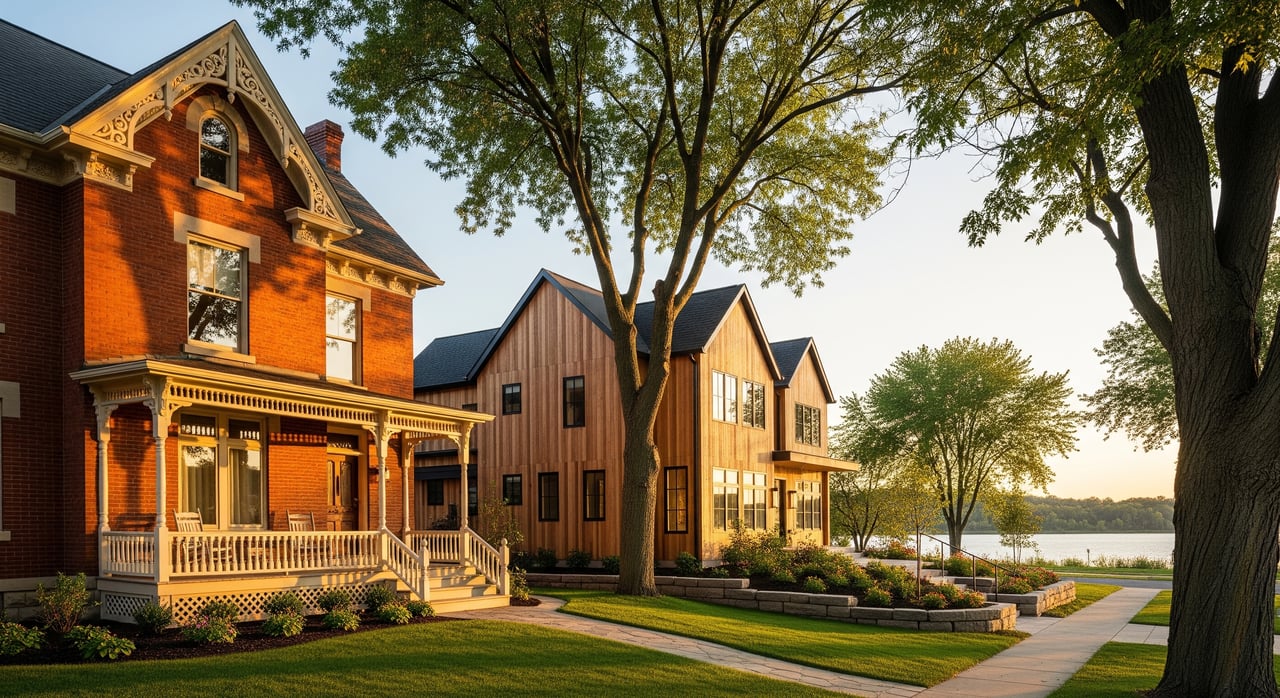
Torn between the charm of a historic home and the ease of something newer in Chaska? You are not alone. Choosing the right fit comes down to your budget, maintenance comfort, energy costs, and the lifestyle you want day to day. In this guide, you’ll learn how historic downtown properties compare with newer subdivisions so you can move forward with confidence. Let’s dive in.
What “historic” and “new” mean in Chaska
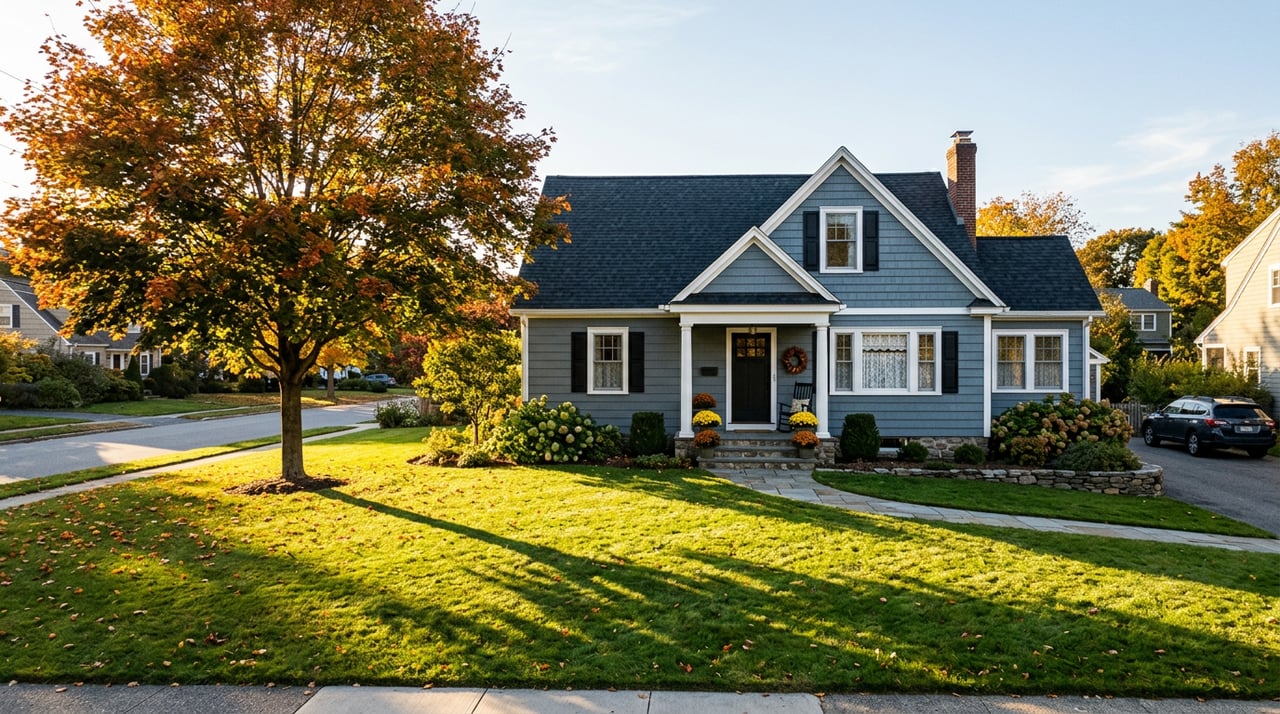
Chaska’s historic downtown sits along the Minnesota River, with nearby residential blocks that include late‑19th and early‑ to mid‑20th‑century homes. You’ll find smaller lots, tree‑lined streets, and a walkable grid near restaurants, shops, parks, and community events. Houses often include original details and architecture that add character and a strong sense of place.
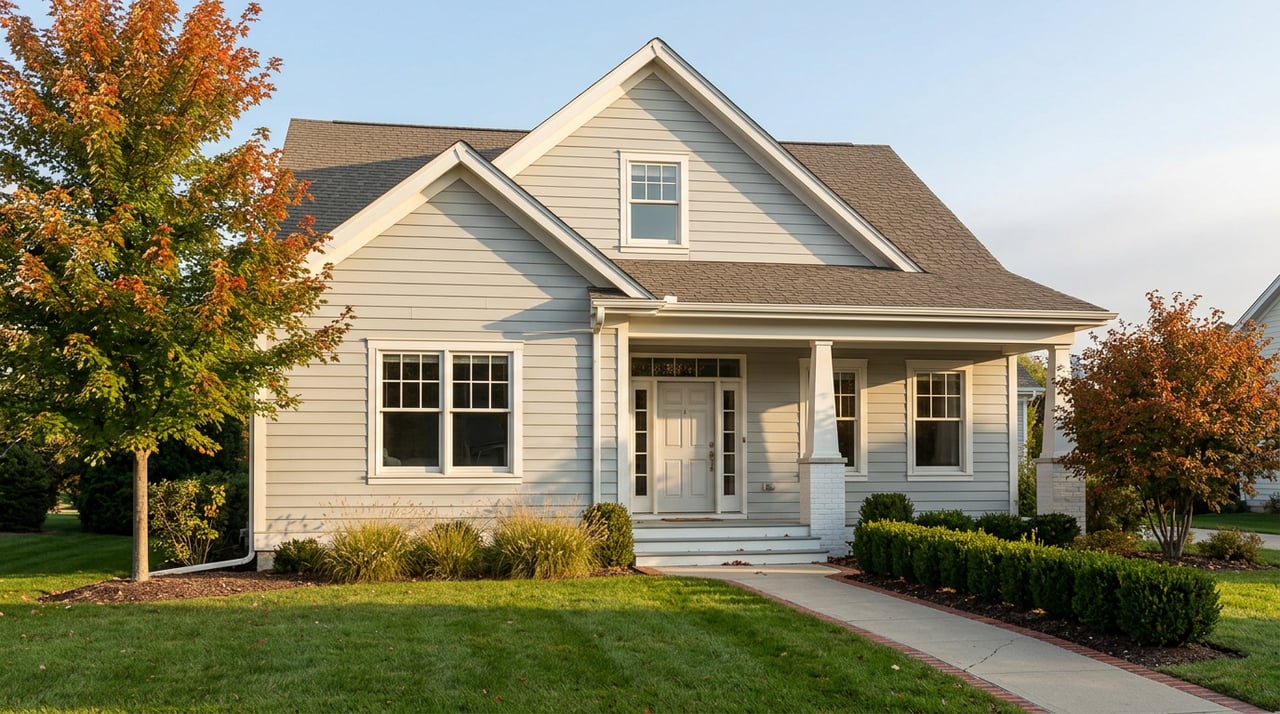
Newer subdivisions, especially those built after 1990, are located around the city’s perimeter. These neighborhoods typically offer larger floorplans, attached garages, bigger yards, and, in many cases, community features like trails, playgrounds, or HOA‑managed amenities. Streets tend to be quieter, with designs that favor privacy and space.
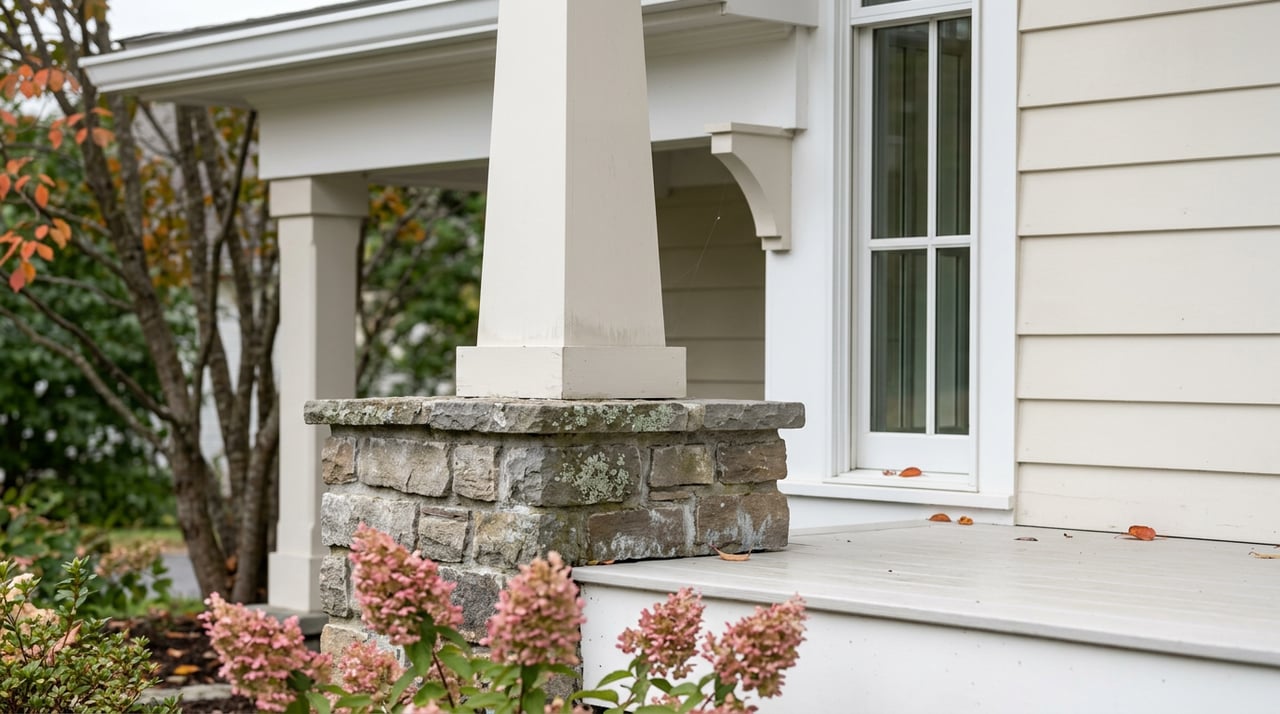
If you are interested in exterior updates on an older home, verify whether a property is within a local or federal historic district. Local designation can require design review for exterior changes such as windows, masonry, or porches. Check with the City of Chaska’s planning or historic preservation staff before you plan remodels.
Price and resale patterns
Pricing in Chaska reflects a simple equation: location, lot size, and square footage. Downtown homes may have smaller lots and footprints but can command premiums for walkability and proximity to the riverfront, shops, and dining. Subdivision homes often deliver more space, which can mean a lower price per square foot but a higher overall sale price due to larger floorplans and lots.
What tends to cost more upfront
- Renovated historic homes with updated systems and preserved details can compete with newer construction on price.
- Historic homes needing major updates often sell at a discount relative to similar, move‑in‑ready properties.
- Newer homes with modern layouts and three‑car garages can carry higher total prices even if the per‑square‑foot value is lower.
What supports resale
- Downtown location advantages, steady foot traffic, and community events can support demand and appreciation over time.
- Subdivision appeal is broad, especially for buyers who prioritize modern layouts and predictable maintenance.
- Micro‑markets behave differently. Oversupply of similar models in a subdivision can compress price gains, while standout updates or locations downtown can lift value.
A strong pricing strategy should be grounded in local MLS sales, price‑per‑square‑foot trends, and condition adjustments for big‑ticket systems. Working with a team that understands valuation helps you buy or sell with clarity.
Maintenance and upgrades
Historic homes offer character, but they can require more hands‑on care. Newer homes often reduce near‑term surprises. Knowing what to expect helps you plan your budget and timeline.
Typical issues in older Chaska homes
- Age‑related systems: older plumbing, older electrical, and older HVAC. Some properties may still have antiquated wiring or smaller service panels.
- Building envelope: little or no wall insulation in some areas, single‑pane windows, and older foundations that may show settlement.
- Materials to note: homes built before 1978 may contain lead‑based paint. Asbestos can be present in older materials in some cases.
- Specialized restoration: historic trim, windows, or millwork can require skilled trades.
Common upgrade costs (ballpark ranges)
- Roof replacement: often $5,000 to $15,000 depending on size and materials.
- HVAC replacement: about $3,000 to $12,000 depending on the system.
- Electrical panel upgrade: roughly $1,500 to $5,000 or more.
- Window replacement: about $300 to $1,000 per window; historic‑style restorations can cost more.
- Foundation, structural, or major plumbing work can reach five figures.
As a general rule, plan to reserve about 1 to 3 percent of the home’s value each year for maintenance. Older homes that need catch‑up work may require a higher allowance in the first few years. If a property shows signs of settlement, aging electrical, or questionable plumbing, get specialist evaluations before you finalize your offer.
Energy efficiency
Newer subdivision homes usually include modern insulation, efficient windows, and tighter building envelopes. They tend to use less energy per square foot and may keep monthly bills more predictable.
Older homes can improve significantly with targeted upgrades:
- Air sealing and insulation: attic insulation and selective wall insulation can reduce heating and cooling energy use by around 10 to 20 percent or more depending on the starting point.
- High‑efficiency HVAC: modern furnaces, boilers, or heat pumps can boost comfort and lower operating costs.
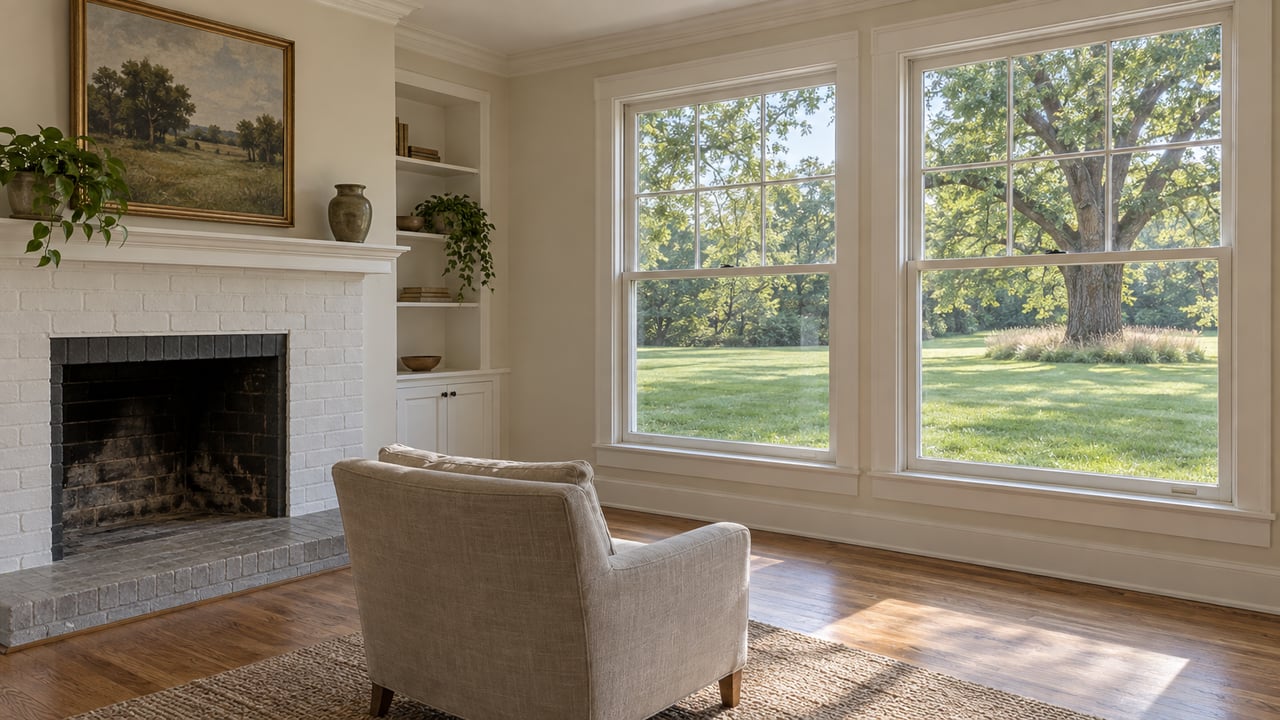
- Window strategies: in some cases, restoration and weatherstripping of original windows paired with storms can be effective. Where allowed, replacing single‑pane windows with high‑quality double‑pane units can improve comfort and efficiency.
- Smart thermostats: better control can trim waste and help you understand usage patterns.
For the best roadmap, schedule a home energy audit that includes a blower door test and thermal imaging. You will get a prioritized list of upgrades with estimated payback.
Financing and rules
If you plan to buy a historic home and renovate, you have several mortgage paths to explore:
- FHA 203(k) Rehab Mortgage for owner‑occupants allows you to finance the purchase and approved renovations in one loan.
- Fannie Mae HomeStyle Renovation lets you roll eligible improvements into a conforming mortgage.
- Conventional purchase plus a HELOC or separate renovation financing can also work depending on your equity and credit profile.
For new construction or recently built subdivision homes, buyers typically use a conventional purchase mortgage or a construction‑to‑permanent loan when building from the ground up.
Historic rules and incentives vary. Federal Historic Rehabilitation Tax Credits generally apply to income‑producing properties, not owner‑occupied single‑family homes. Some state or local programs may offer grants, low‑interest loans, or abatements for certified work. Always verify with the Minnesota State Historic Preservation Office and the City of Chaska before assuming what is available.
Insurance can differ by property age and location. Older homes may cost more to insure or require updates to roofing, electrical, or plumbing. If you are considering a downtown property near the Minnesota River, review FEMA flood maps and confirm whether additional coverage or mitigation is needed.
Lifestyle tradeoffs
Both options offer real benefits. The right fit depends on how you want to live day to day.
Walkability and amenities
- Downtown: you are steps from restaurants, shops, parks, riverfront trails, and community events. Lots are smaller, and the area has a distinct sense of place.
- Subdivisions: you get more yard space and newer community features such as trails, playgrounds, and HOA programming. Streets are typically quieter.
Schools, commute, and daily rhythms
- Schools: verify school district boundaries for specific addresses. Many buyers consider proximity to schools when comparing neighborhoods.
- Commute: subdivision locations may offer faster highway access to Twin Cities employment hubs, while downtown locations can feel closer to local services and bike routes.
- Community life: downtown hosts regular events and a traditional main street environment. Newer neighborhoods may focus on HOA activities and nearby commercial nodes.
A quick decision framework
Use this checklist to clarify your choice.
1) Start with priorities
- Lifestyle: do you want walkability and character, or space and modern layouts?
- Maintenance tolerance: hands‑on upgrades or a lower‑maintenance start?
- Budget: include purchase price plus near‑term capital items like HVAC, roof, windows, or foundation work.
2) Inspection questions for historic homes
- Has the electrical panel been upgraded and wiring modernized?
- What is the age and type of plumbing? Any signs of leaks or corrosion?
- Has the foundation been evaluated for settlement or drainage issues?
- Are there any lead‑based paint or asbestos concerns noted?
- What do the windows, roof, and insulation need in the next 3 to 5 years?
3) Specialist inspections to consider
- Full home inspection plus, as needed, a structural engineer, electrician, HVAC technician, and a lead or asbestos assessment for older homes.
- Energy audit with blower door testing and thermal imaging to prioritize efficiency projects.
4) Budget realistically
- Set aside 1 to 3 percent of home value annually for maintenance.
- Obtain contractor estimates before you finalize an offer if large projects are visible.
5) Financing and incentives
- Explore FHA 203(k) or Fannie Mae HomeStyle if you plan to renovate.
- Check with state and local offices about any historic rehabilitation programs before you assume they do or do not exist.
6) Think about resale
- Historic homes often appeal to buyers seeking character and location. Highlight walkability and preserved details.
- Subdivision homes appeal widely to buyers who want modern plans and predictable systems. Understand any HOA rules.
Choosing between historic and new in Chaska does not have to be an either‑or decision. If you weigh costs, maintenance, efficiency, and lifestyle against your priorities, you will see which side fits you best. If you want property‑specific pricing guidance, system‑level due diligence, and a strategy for renovations or new builds, talk with a local team that knows the blocks and the builders. Connect with the hometown professionals at Chestnut Realty to compare neighborhoods, review valuations with our in‑house appraisers, and explore mortgage referral options that fit your plan.
FAQs
Are historic homes in downtown Chaska harder to insure?
- Older homes can cost more to insure or require system updates; get quotes early and confirm any roof, electrical, or plumbing requirements.
Will a historic Chaska home cost more to heat?
- It can if insulation and windows are outdated; targeted air sealing, insulation, and HVAC upgrades can significantly reduce energy use.
Can I replace original windows in a designated area?
- Possibly, but exterior changes in locally designated historic districts may require review; confirm rules with the City of Chaska.
Are there tax credits for restoring an owner‑occupied historic home?
- Federal credits focus on income‑producing properties; check Minnesota SHPO and City of Chaska for any local or state programs.
Which appreciates better, downtown historic or subdivision?
- Both can perform well; appreciation depends on location, condition, and supply; review local MLS comps and price‑per‑square‑foot trends for your specific area.
Do newer Chaska subdivisions have HOA rules and fees?
- Many do; review HOA documents for amenities, architectural guidelines, fees, and any restrictions before you buy.