Lake season sneaks up fast in Waconia. If you want lake-loving buyers to see your home at its best, the right prep and timing matter as much as location. You might be wondering what to fix, what to permit, and what to document so your listing shines without stalling at appraisal or inspection. Below you’ll find a clear, local plan to position your property for peak spring demand and summer usage. Let’s dive in.
Know Lake Waconia and buyer priorities
Lake basics to highlight
Lake Waconia is one of the largest lakes in the Twin Cities metro, covering about 3,200 acres with multiple public access points and a regional park on the shore. Share simple, factual context in your listing and at showings, such as links to the city’s overview of Lake Waconia and public access. Buyers often weigh ease of access, parking for trailers, and proximity to beaches or marinas.
Water quality and AIS questions
Expect buyers to ask about seasonal water clarity and aquatic invasive species. Minnesota requires “Clean, Drain, Dry” practices for boats and water equipment, which is a helpful talking point for showings. Document any decontamination steps if you’ve moved lifts or docks between lakes, and be ready to explain the basics of state AIS prevention rules.
Time your listing for peak interest
Spring typically delivers the most buyer traffic and price pressure. National analyses show a concentrated sweet spot from late March through mid May, with many sellers aiming to go live before Memorial Day to catch summer lake users. Plan 6 to 12 weeks of prep so you can complete repairs, secure permits, and book strong photography in time for this window. For a quick reference on seasonality, review this overview of when listings perform best.
Permits, shoreline, and docks
Verify dock rules before you advertise
Before you promote any dock as an amenity, confirm what is allowed and what is permitted. Under Minnesota DNR guidance, small seasonal docks that are no wider than 8 feet and meet local rules typically do not require a DNR public waters work permit. Larger or permanent structures, riprap, cribbing, or anything below the ordinary high water level often trigger permits. Start with the DNR’s summary on docks and public waters permits, then confirm current City of Waconia code.
Waconia has a history of local debate over private permanent docks. Court rulings show that rules can change and be contested. To reduce risk, fully disclose what you have, what is permitted, and any relevant history. You can read an example of prior dock litigation involving Waconia at the Minnesota Supreme Court’s case archive.
Stabilization and vegetation best practices
If you plan shoreline improvements, permit needs depend on what you do and where. The DNR and local water managers generally prefer natural vegetation buffers and require permits for riprap or bulkheads placed waterward of the high water line. Riprap has strict standards on stone size, slope, and extent. Review the DNR’s permitting answers on shoreline work and riprap, then get written approval before you market a “stabilized” shoreline.
Septic, wells, and major systems buyers ask about
Carver County requires private sewage systems (SSTS) to meet specific property transfer rules. If your home uses a septic system, order a compliance check early and gather your certificate or plan for escrow if repairs are needed. Include this paperwork in your listing packet so buyers and appraisers have confidence in the system’s status. Start with the county’s guidance on septic compliance and seller requirements.
Beyond septic, buyers and lenders look closely at roof age, HVAC service records, and any conditions that affect insurability, including flood exposure. Having documentation on system ages, maintenance, and elevations can prevent last-minute appraisal or underwriting delays. Appraisal standards flag items such as site flood risk, shoreline structures, and permitted improvements as value factors, which you can see reflected in the industry’s core reference, The Appraisal of Real Estate.
Exterior prep that sells lake living
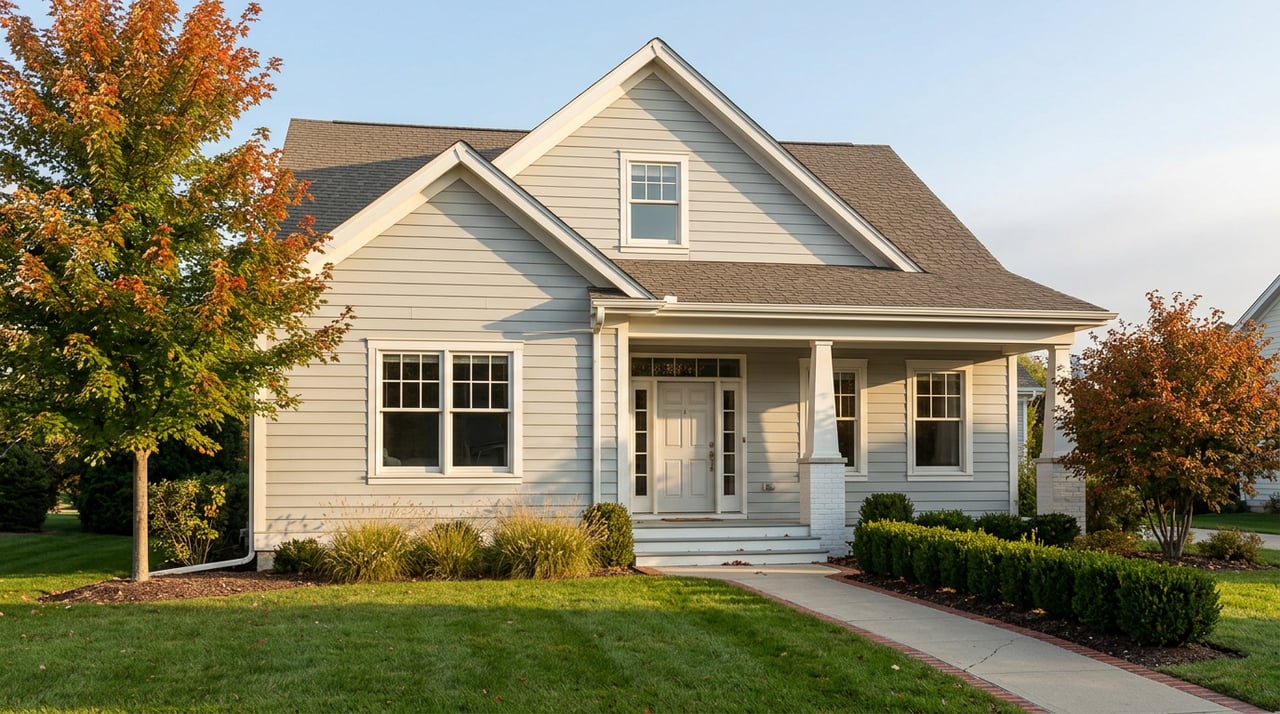
First impressions matter, and many outdoor upgrades punch above their weight. Cost vs. Value research and industry surveys consistently show strong payback for modest, visible improvements like garage door and front door updates, minor siding and trim refreshes, deck staining and repairs, and targeted landscaping. For planning, scan the project examples in the latest Cost vs. Value summaries.
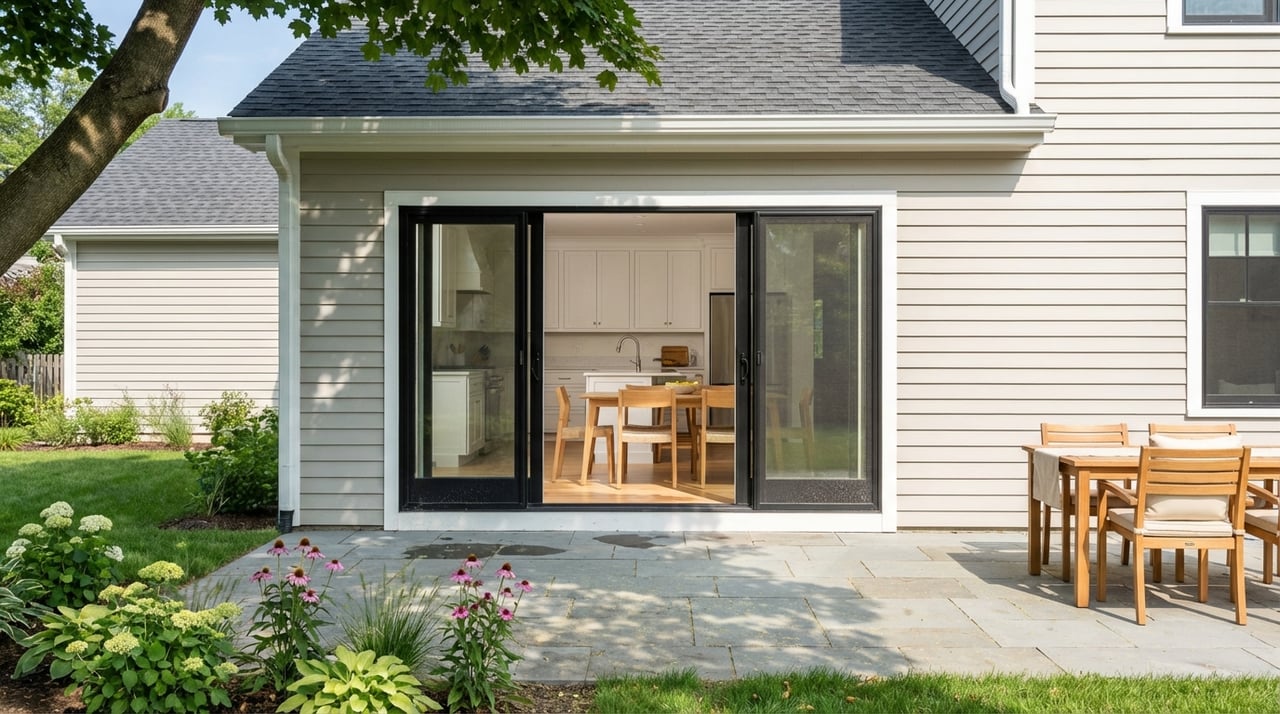
To help buyers picture summer living, define outdoor rooms. Stage a clean, sturdy deck with seating and a table, place a grill where it fits the flow, and tidy any steps or paths between the house and lake access. If you have composite decking or well-maintained wood, make sure it reads as low-maintenance and ready for guests.
Stage for indoor–outdoor flow
Waconia lake-season buyers want to imagine easy meals on the deck, quick gear drop zones, and big views. Prioritize:
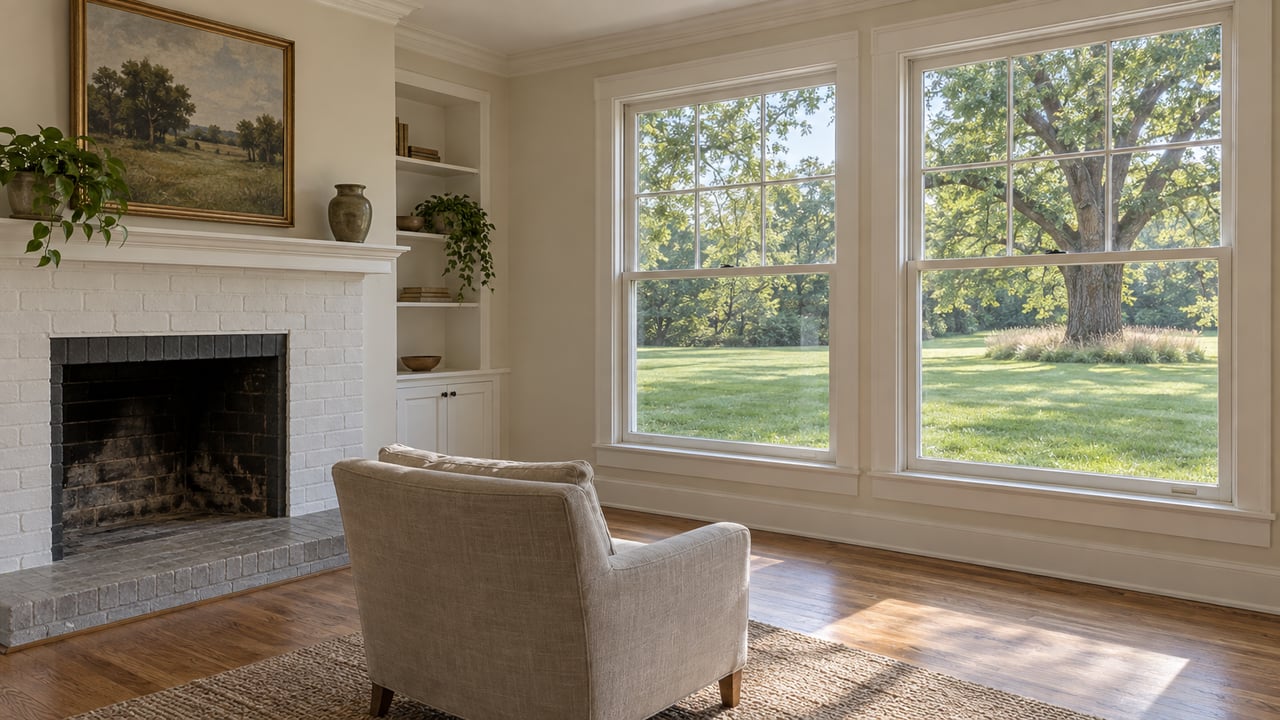
- Clear sight lines to the water from main living spaces.
- A simple path from kitchen to deck or patio with room for serving.
- Tidy storage for lake gear in a mudroom, entry closet, or garage wall.
Professional staging and strong photos can shorten market time and increase perceived value. NAR research reports that staged listings often reduce days on market and may attract higher offers in many markets. If your home is vacant, virtual staging can help online, but buyers still want real photos of outdoor spaces. See highlights from NAR’s staging research.
Price and appraisal readiness
Waterfront proximity affects value, but the premium varies widely by frontage, access type, shoreline condition, and recent comparable sales. The best pricing approach uses hyper-local comps that match your access and improvements. Appraisers pay close attention to frontage or view, deeded water rights, dock type and condition, shoreline treatments, flood and elevation exposure, and any permits or enforcement history. Solid documentation helps reduce unsupported adjustments and appraisal risk, as reflected in The Appraisal of Real Estate.
A pre-listing appraisal can make sense when your home is unique, lake features are a big driver of value, or comps are thin. A pre-listing home or septic inspection can also reduce surprises. If you need a valuation opinion tied closely to lender expectations, Chestnut Realty’s in-house appraisal team can help you set a defensible price and prepare an appraisal-friendly file.
A 90-day lake-season checklist
8 to 12 weeks before listing
- Order a septic compliance check if you are on SSTS and collect repair estimates if needed. Keep the county’s SSTS guidance handy for buyers.
- If you plan shoreline or dock changes, consult the DNR and local staff early. Get written approvals before work, using the DNR’s permit Q&A for shoreline work as a starting point.
- Tackle high-ROI exterior tasks: refresh the front and garage doors, power wash, repair and stain decks, and shape up landscaping.
- If your home has unique lake features or thin comps, consider a pre-listing appraisal to guide pricing and reduce renegotiation risk.
3 to 6 weeks before listing
- Stage the living room, kitchen, and primary bedroom to frame views and indoor–outdoor flow. Stage the deck or patio to read as an outdoor dining room. For proof points, see NAR’s staging findings.
- Book professional photography, targeting early morning or late afternoon light to capture the water and outdoor spaces.
- Assemble a marketing packet: survey, deed or easement documents for access, dock or shoreline permits, septic certificate, service records, and any recent inspections or appraisals.
1 to 2 weeks before listing
- Deep clean, declutter, and secure valuables off-site. Finalize staging touches and confirm showing windows.
- Decide how to demonstrate lake access safely during showings. If equipment is being moved, follow Minnesota’s Clean, Drain, Dry rules and note decontamination in your disclosures.
Be ready for common buyer questions
- Flood exposure and insurance. Have elevation information and your current policy or quotes ready. Be prepared to explain any mitigation already done and how it affects financing.
- Dock rights and permits. Show the permits, surveys, and any attorney or city correspondence you have. If a structure is unpermitted, disclose it and outline options. Learn the basics from the DNR on dock permit triggers and note that Waconia dock rules have seen dispute, as shown in this court record.
- Water quality and AIS. Share what you know about seasonal clarity and any algae advisories. Explain the steps you take to protect the lake, including state AIS prevention practices.
Preparing the right way builds trust and momentum. With a smart timeline, clear documentation, and staging that sells summer living, you can meet lake-season buyers with confidence and reduce surprises at appraisal and closing. If you want local, appraisal-backed guidance tailored to your property, talk with the team at Chestnut Realty.
FAQs
When is the best time to list a Waconia lake-area home?
- Spring delivers the strongest buyer traffic, with a sweet spot from late March through mid May; plan 6 to 12 weeks of prep to be live before Memorial Day, based on national seasonality research.
What documents should I gather before selling a Lake Waconia property?
- Assemble your survey, deed or easement language for access, any dock or shoreline permits, septic compliance certificate if on SSTS, system service records, and recent inspection or appraisal reports; start with Carver County’s SSTS guidance and the DNR’s shoreline permit basics.
Do I need a permit for my dock on Lake Waconia?
- Small seasonal docks that are no wider than 8 feet often do not need a DNR permit, but wider or permanent structures and work below the high water line usually do; always verify with the city and review the DNR’s dock permitting overview.
How do appraisers value lake access in Waconia?
- Appraisers weigh frontage or view, deeded rights, dock type and condition, shoreline treatments, flood and elevation exposure, and recent comparable sales; strong documentation reduces appraisal risk, as outlined in The Appraisal of Real Estate.
Should I do a pre-listing septic inspection in Carver County?
- Yes, if you are on a private system, a compliance check and certificate are often needed for property transfer; address issues early and include proof in your listing packet, following Carver County’s SSTS requirements.