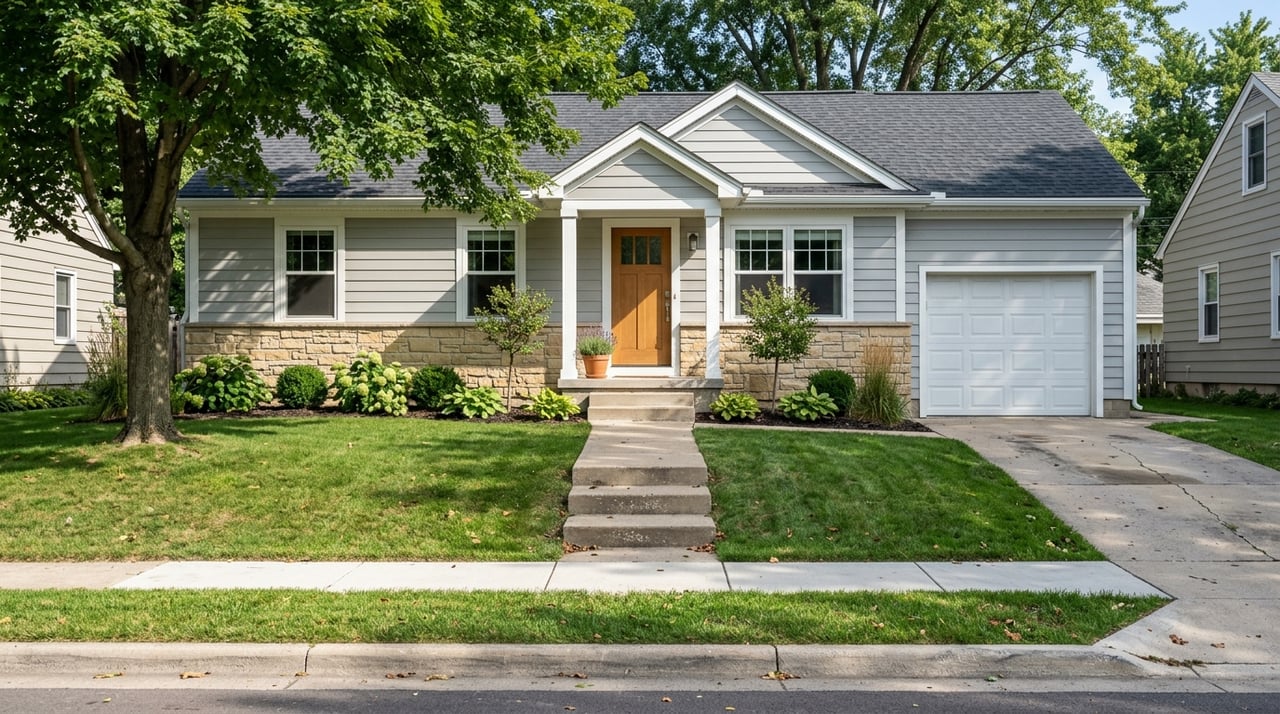
Wondering how to make your split-level or starter home stand out in Savage? You are not alone. In a market where many resale homes cluster in a similar price range, buyers tend to compare homes closely on condition, pricing, and presentation. If you want a smoother sale and stronger interest, it helps to focus on what local buyers actually notice most. Let’s dive in.
What the Savage Market Means for Sellers
Savage is a strongly owner-occupied community, with 85.8% of housing units occupied by owners and a median owner-occupied value of $432,300 based on 2020 to 2024 Census data. More recent 2026 snapshots also place many local resale homes in the low-to-mid $400,000s. Redfin reported a May 2026 median sale price of $424,746 with an average of 24 days on market, while Realtor.com reported a February 2026 median sale price of $427,500 and a 99% sale-to-list ratio.
That matters because your home is likely competing with other well-kept suburban properties in a similar price band. A split-level or starter home in Savage usually wins buyer attention through smart pricing, clean presentation, and solid upkeep, not because the floor plan feels unusual or highly customized. In other words, the basics matter a lot.
Scott County data supports the same theme. In May 2026, the county posted a median sale price of $453,540 and an average of 27 days on market. Homes are still moving, but buyers appear to be weighing value carefully.
Why Split-Levels Need Clear Presentation
Split-level homes can offer useful space and flexibility, but the layout can feel less intuitive in photos or during a quick showing. That does not mean buyers will dismiss the home. It means your home needs to feel easy to understand from the first photo to the final walk-through.
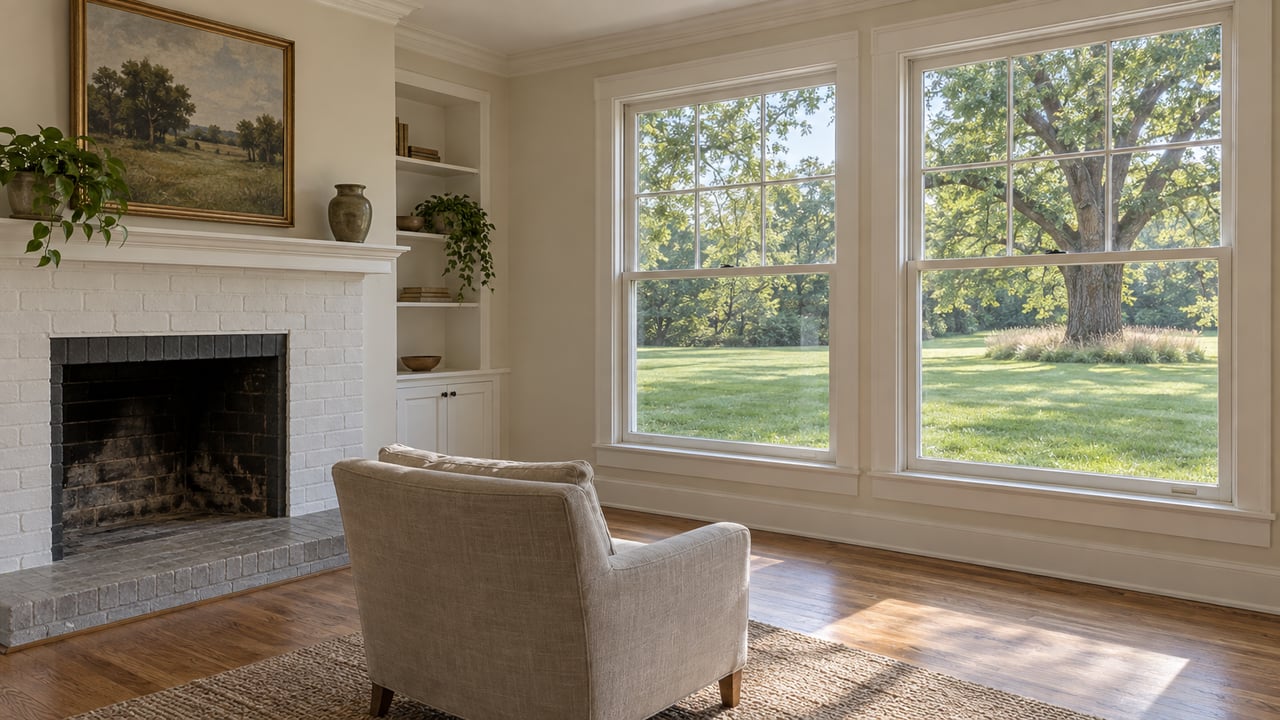
Research from 2025 shows buyers are less willing to compromise on condition, and staging helps them picture the property as their future home. NAR reported that 83% of buyers’ agents said staging made it easier for buyers to envision a home. The same research found that photos, physical staging, videos, and virtual tours all play an important role.
For a split-level in Savage, that means each room should have a clear purpose and an easy visual flow. If a lower-level room could be used in more than one way, define it simply with furniture and lighting. If the entry or staircase feels tight, reduce distractions so buyers can move through the space comfortably and see how the levels connect.
Why Starter Homes Attract Careful Buyers
Starter homes appeal to buyers who are often watching affordability closely. NAR’s 2025 Profile of Home Buyers and Sellers found that first-time buyers made up 21% of purchases, with a median age of 40 and a median down payment of 10%. Repeat buyers had a median down payment of 23%.
That tells you something important. Your likely buyer pool may include both budget-conscious first-time buyers and move-up buyers who want value. Both groups are likely to compare monthly costs, expected repairs, and overall condition before making an offer.
Because of that, visible maintenance issues can carry more weight than you may expect. A buyer might accept a simple kitchen or older layout, but they may hesitate if the home feels neglected or difficult to maintain. Clean, bright, and well-cared-for often beats over-improved but inconsistent.
Prep Priorities That Usually Matter Most
If you are deciding where to spend your time and money before listing, the research points to a practical answer. According to NAR’s 2025 staging report, the most common seller prep recommendations were:
- Decluttering
- Cleaning the entire home
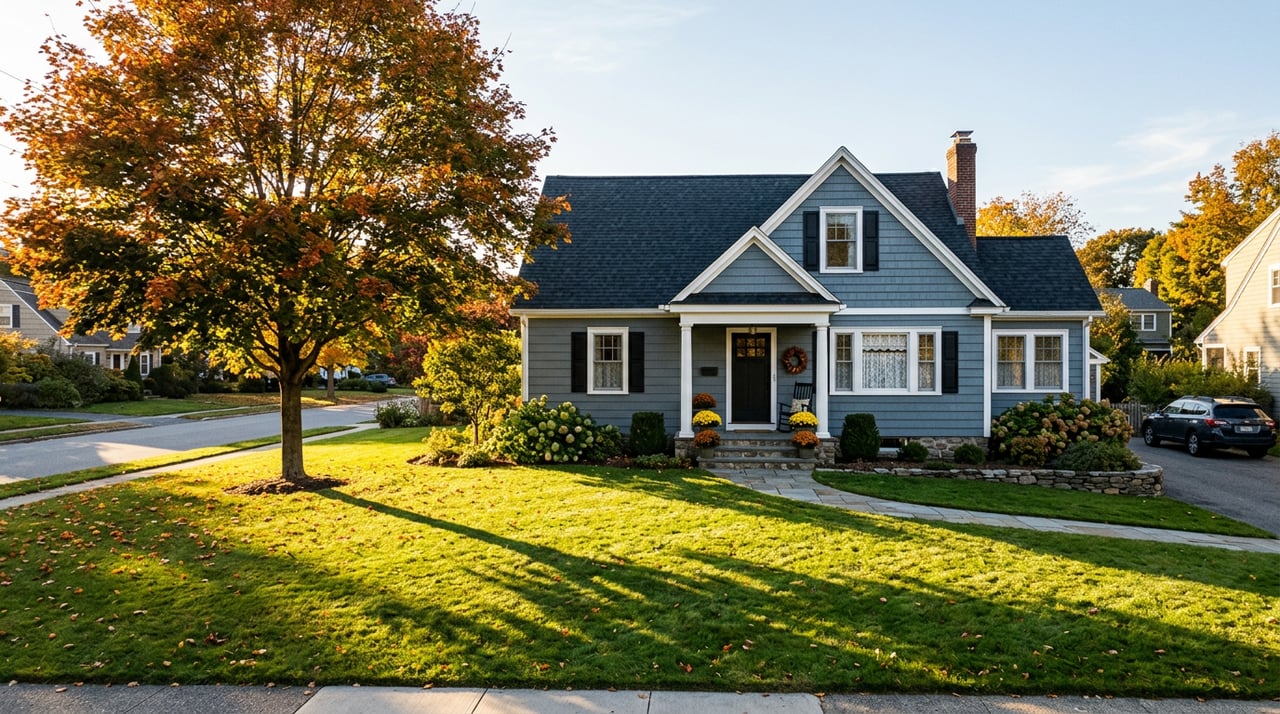
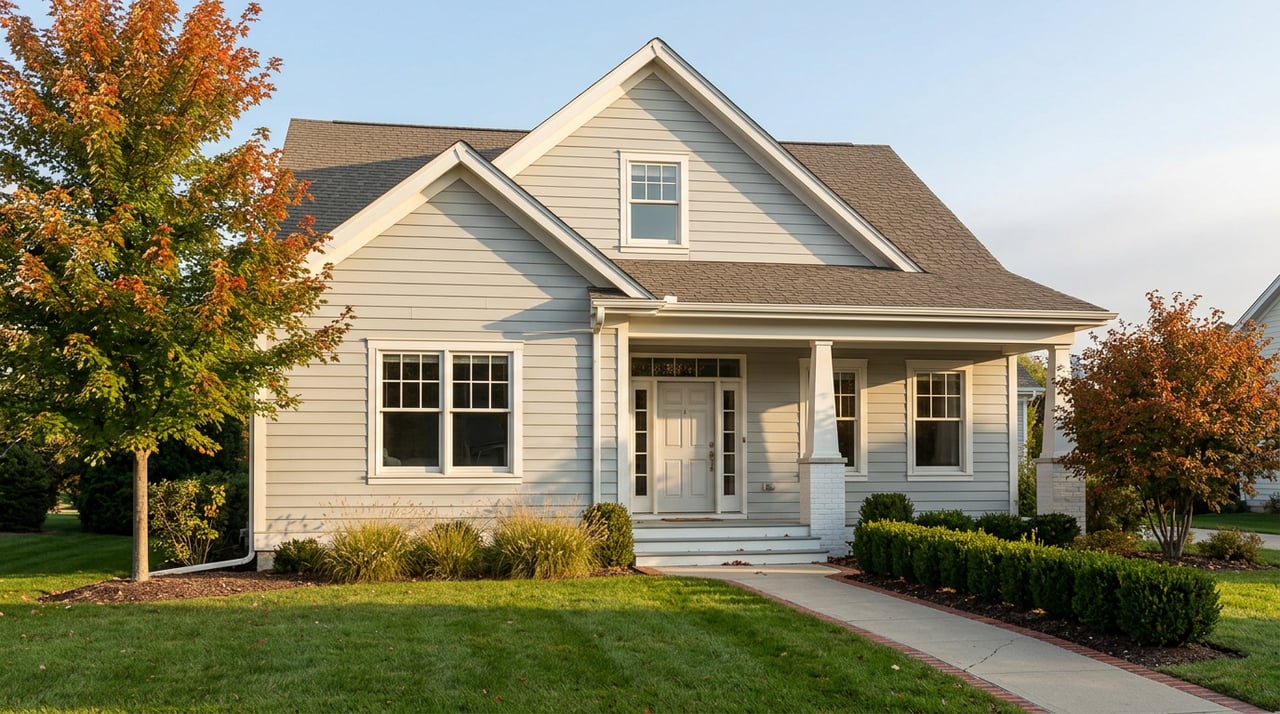
- Improving curb appeal
Those three steps can make a major difference, especially in the starter-home segment. Buyers notice whether a home feels move-in ready, easy to maintain, and worth the asking price.
The same body of research shows the rooms buyers care about most are the living room, primary bedroom, and kitchen. For many Savage split-levels, that puts extra pressure on the main level to make a strong first impression. If the main floor feels open, light, and organized, buyers are more likely to respond positively to the rest of the layout.
Best Low-Drama Updates Before Listing
Large remodels are not always necessary before you sell. In fact, the data suggests that practical, visible improvements often carry the most weight. NAR’s 2025 Remodeling Impact Report found that agents most often recommended painting the entire home, painting one room, and new roofing before selling.
The report also identified kitchen upgrades, new roofing, and bathroom renovations as top-demand project areas over the last two years. In addition, projects such as paint, a new front door, and a new steel door showed strong satisfaction or cost recovery.
If you are trying to decide what is worth doing, start here:
- Freshen paint in worn or bold-colored rooms
- Repair obvious cosmetic damage
- Improve lighting in darker spaces
- Clean up the front entry and door area
- Address roofing concerns if needed
- Tidy kitchens and bathrooms so they feel functional and clean
You do not need to make your home look brand new. You do need to make it feel cared for, easy to understand, and appropriately updated for the local price range.
Staging Tips for Split-Level Homes
Staging works best when it removes confusion. In a split-level, buyers should never have to guess how a room is meant to function. Clear room definition helps the whole home feel more spacious and more useful.
Focus on simple choices that improve readability:
- Use fewer, properly sized furniture pieces
- Open window coverings to maximize natural light
- Keep stair landings and hall areas clear
- Define lower-level flex rooms with one primary use
- Remove extra décor that makes transitions feel busy
Buyers often decide quickly whether a home feels comfortable. The easier it is for them to picture daily life in the space, the better your chances of strong interest.
Pricing Your Savage Home Wisely
Pricing is one of the biggest decisions you will make, and it should be grounded in comparable local sales. NAR explains that a comparative market analysis, or CMA, uses comparable sales from the same area while also factoring in size, location, amenities, condition, upgrades, market conditions, and your timing goals.
For a Savage starter home or split-level, that means your list price should reflect how similar homes are actually performing, not just what you hope to achieve. When homes in your segment are selling close to list price, buyers still expect the number to feel justified by condition and presentation.
This is also where local valuation expertise matters. If a home is priced above what comparable sales support, it can face resistance from buyers early and from the appraiser later.
Why Appraisal Risk Matters
A CMA and an appraisal are not the same thing. The CFPB explains that an appraisal is an independent opinion of value by a licensed appraiser, usually for the lender, based on comparable sales and property characteristics such as square footage, bedroom count, bathroom count, and year built.
Different valuations can vary because they may use different comparable sales, timing, or purposes. For sellers, the practical issue is simple. If a financed buyer agrees to a price that the appraisal does not support, the sale can be renegotiated or even canceled.
That is why realistic pricing matters so much in Savage’s market. A well-positioned home should attract interest and also hold up under lender review.
Pre-Listing Inspection and Seller Disclosures
A pre-listing inspection is not required, but it can be a useful step. The Minnesota Attorney General’s handbook notes that sellers may consider one to identify issues before the home hits the market. NAR also reports that pre-listing inspections can reduce surprises during buyer inspections and help prevent canceled contracts.
Minnesota law requires sellers to provide a written disclosure of all material facts known to them that could adversely and significantly affect a buyer’s use or enjoyment of the property. That means it is better to identify and address issues early than to be surprised later in the transaction.
Certain disclosures also deserve extra attention. If your home was built before 1978, lead-based paint disclosure rules apply. Minnesota sellers must also disclose known radon information before a purchase agreement is signed, and the Minnesota Attorney General’s handbook says sellers must disclose well information and underground sewage treatment system information before signing as well.
Reviewing Offers Beyond the Top Price
The highest offer is not always the strongest offer. The Minnesota Attorney General notes that an offer within 3% to 5% of asking price is often considered a good offer, but sellers should also weigh financing strength, inspection contingency, appraisal contingency, and closing certainty.
That guidance fits what we are seeing in Savage. Redfin reports that many homes receive multiple offers, and some buyers waive contingencies. Even so, a smart seller should look at the full picture, not just the headline price.
When you review offers, consider:
- Purchase price
- Type and strength of financing
- Appraisal contingency risk
- Inspection terms
- Proposed closing timeline
- Overall likelihood of closing on time
A clean offer with solid financing can be more valuable than a higher offer that carries greater appraisal or inspection risk.
A Simple Selling Game Plan
If you want to sell a split-level or starter home in Savage with fewer surprises, focus on the fundamentals first. Start with condition, presentation, and pricing. Then make sure your disclosures and offer strategy are just as thoughtful.
A strong plan often looks like this:
- Review likely comparable sales in Savage
- Prioritize decluttering, deep cleaning, and curb appeal
- Make visible, practical updates where needed
- Stage the home so each space feels clear and functional
- Consider a pre-listing inspection
- Price with both buyer response and appraisal support in mind
- Evaluate offers based on both price and certainty
Selling a more affordable suburban home is often about reducing friction for the buyer. When your home looks cared for, reads clearly, and is priced realistically, you give buyers fewer reasons to hesitate.
If you are getting ready to sell in Savage, working with a local team that understands pricing, presentation, and valuation can make the process feel much more manageable. For guidance grounded in Scott County market knowledge, connect with Chestnut Realty.
FAQs
How should you price a split-level home in Savage?
- Use comparable local sales, current market conditions, your home’s condition, upgrades, and timing goals to set a price that can attract buyers and hold up through appraisal.
What updates matter most when selling a starter home in Savage?
- Decluttering, whole-home cleaning, curb appeal improvements, fresh paint, and practical repairs often matter more than a major remodel in this price range.
Should you stage a split-level home before listing in Savage?
- Yes. Staging can help buyers understand the layout, picture how rooms function, and respond more positively in both online photos and in-person showings.
What disclosures do Minnesota sellers need for a Savage home sale?
- Sellers must disclose known material facts that could significantly affect use or enjoyment of the property, and they may also need lead-based paint, radon, well, and underground sewage treatment system disclosures depending on the property.
What should you look at besides price when reviewing offers in Savage?
- You should also consider financing strength, inspection terms, appraisal contingency risk, closing timeline, and the overall likelihood that the sale will close smoothly.