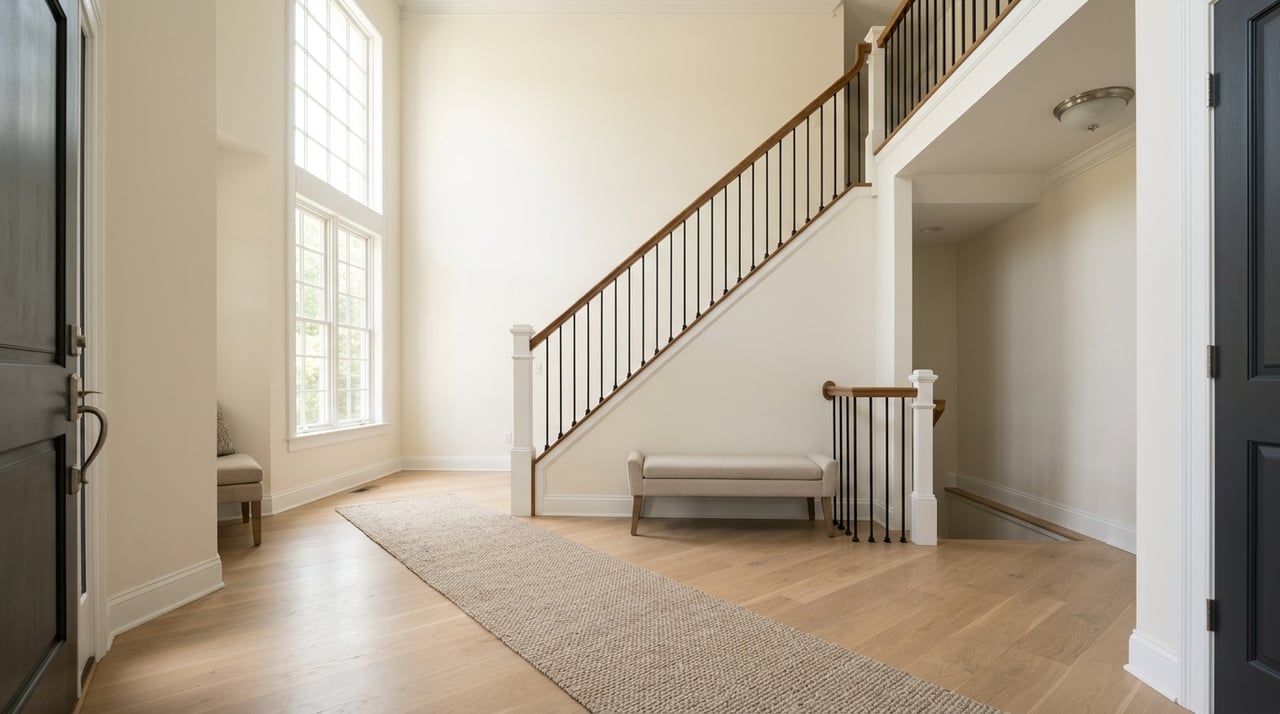
If you already love living in Chaska, moving does not always mean leaving town. Sometimes the better move is finding a home that fits your next chapter a little better, whether that means more space, a different layout, easier upkeep, or a location that lines up more closely with your daily routine. In a market that still moves quickly, the smartest plan is not to rush. It is to understand your options, your budget, and the tradeoffs between selling and buying so you can move with confidence. Let’s dive in.
Why moving within Chaska takes planning
A local move can look simple on paper, but it often comes with more moving parts than buyers expect. You are balancing the sale of your current home, the purchase of the next one, timing, financing, and your long-term lifestyle needs all at once.
That matters even more in Chaska's current market. In May 2026, the citywide median sale price was $415,752, median days on market was 25, and the average sale-to-list ratio reached 100.7%. Nearly 44.8% of homes sold above list price, while 28.2% had price drops, which tells you the market is active but not one-size-fits-all.
For many move-up buyers, that creates a mixed picture in a good way. You may have equity in your current home, but you also need a realistic strategy for competing on the purchase side without stretching your budget too far.
Start with your real budget
Before you look at neighborhoods or floor plans, get clear on what your next move can comfortably support. A move-up purchase is not just about the new mortgage payment. It also includes closing costs, insurance, escrow deposits, inspections, title-related expenses, and the costs of selling your current home.
Consumer guidance from the CFPB recommends getting organized early and comparing at least three lender preapprovals. A preapproval letter can also help show sellers that you are serious when you make an offer.
This is where a local, numbers-first approach helps. You want to think about your full monthly affordability, your available equity, and how much cash you want to keep on hand after closing.
Costs to review before you move
- Estimated proceeds from your current home sale
- Down payment for the next home
- Closing costs on the purchase
- Insurance and escrow funding
- Inspection and title-related expenses
- Moving costs and any temporary housing needs
- HOA dues, if you are considering an HOA community
- Ongoing maintenance for a larger home or lot
Decide how to sequence the move
One of the biggest questions is simple: should you sell first or buy first? The right answer depends on your finances, your risk tolerance, and how flexible your timeline is.
Option 1: Sell first
Selling first is often the lower-risk path. You know how much equity you have, you avoid carrying two homes at once, and you can make decisions with clearer numbers.
The tradeoff is timing. You may need temporary housing or a rent-back arrangement if your next home is not ready when your current one closes.
Option 2: Buy first
Buying first can make the move feel more comfortable because you secure your next home before packing up your current one. That can be appealing in a competitive market where desirable listings may move quickly.
The risk is financial overlap. You need to be sure you can carry the current home, the new home, and any related obligations without becoming overextended.
Option 3: Use bridge or swing financing
Bridge or swing financing can help if you need to purchase before your current home sells. Fannie Mae guidance notes that lenders must document your ability to carry the current home, the new home, the bridge loan, and your other obligations.
That means this option can work, but it is not something to use casually. It works best when you have a strong financial picture and a clear plan for the sale of your existing home.
Protect yourself with smart contingencies
In a competitive market, buyers sometimes feel pressure to remove protections. That can create unnecessary risk, especially when you are also managing the sale of another property.
The CFPB recommends making the purchase contract contingent on financing and a satisfactory inspection. Those steps can help protect you if the loan falls through or if the inspection uncovers major issues.
A strong offer does not have to mean an unsafe offer. The goal is to stay competitive while still protecting your finances and your ability to complete the move.
Compare Chaska neighborhoods by fit
Price matters, but long-term fit matters just as much. If this is your second or third home in Chaska, you probably already know that each area feels a little different in how it connects to trails, streets, open space, housing types, and everyday errands.
The City of Chaska says the community has 578 acres of city-owned parks, nine community parks, 23 neighborhood parks, and more than 100 miles of trails. That network connects neighborhoods to commercial, school, civic, recreation, and natural-area destinations, which can make location feel very different from one part of town to another.
Downtown Chaska
Downtown Chaska is the historic core, and city planning documents describe it as the heart of the community. It is shaped by historic character, gathering places, established neighborhoods, and inviting street, sidewalk, and trail connections. The city's trail plan also notes sidewalks on both sides of each downtown street.
From a pricing standpoint, downtown can offer a different entry point. Recent market data showed a median sale price of $254,914, median days on market of 62, and a 101.5% sale-to-list price ratio, which suggests value opportunities can exist even while buyers still face competition.
Jonathan Association area
Jonathan is one of the clearest examples of an HOA-oriented move-up option in Chaska. The city describes it as by far the largest HOA in Chaska, covering about one-third of residential neighborhoods.
It includes common green space, parks, trails, pedestrian tunnels and bridges, and community gardens. The area is also known for its separated backwalk trail system, which began with early 1970s development and still shapes how many neighborhoods connect today.
If you are considering Jonathan, be sure to factor HOA structure and fees into your decision along with home price and layout. For some buyers, the shared amenities and connected trail system are a major plus.
Clover Ridge
Clover Ridge offers a more traditional suburban layout. City planning materials note sidewalks on one or both sides of streets there, creating a different feel from the older downtown street pattern and Jonathan's backwalk network.
If you want a neighborhood with a more conventional subdivision form, this may be worth a closer look. As with any local search, it helps to compare the exact section, housing type, and association details rather than relying on a broad label alone.
Townhomes and higher-price pockets
Townhomes are an important part of the Chaska move-up market, especially if you want more space without taking on the upkeep of a larger detached property. Recent listing data showed 45 active townhouses with a median listing price of $285,000.
At the other end of the range, golf-course pockets such as the Chaska Town Course area can sit at a much higher price tier. Recent examples included a townhome around $489,000 and a golf-course home listed at $1.175 million, which shows how wide the local pricing range can be depending on property type and setting.
Look beyond price alone
When you are choosing your next home, the best decision usually comes from matching price to long-term fit. A lower price may not feel like a bargain if the layout, upkeep, commute, or neighborhood setup does not work for your day-to-day life.
As you compare options, focus on the things that will still matter in three to five years. That might include lot size, main-level living, number of bedrooms, storage, trail access, HOA responsibilities, or how close you want to be to shops, parks, or major routes.
The City of Chaska's maps can also help you compare zoning, trail connections, historic downtown boundaries, development activity, parking, and other practical details. That can be especially useful because neighborhood names in Chaska may reflect HOA names, plats, or local map labels rather than one formal district system.
Do not forget local ownership details
A move within Chaska can also affect your property tax setup. Carver County says owner-occupied primary residences may qualify for the homestead market value exclusion, which can reduce taxable value.
If you move or sell and your primary residence changes, state law requires you to notify the assessor within 30 days. A new homestead application is also required when ownership, occupancy, or marital status changes.
It also helps to remember the county's tax calendar. Property tax statements are mailed by March 31, the first half of most property taxes is due May 15, and the second half is due October 15.
Build a plan before you tour
The most successful local moves usually start before the first showing. When you know your budget, your timing options, and the neighborhood features that matter most, you can move more decisively when the right property appears.
That is especially helpful in a market like Chaska, where many homes still move quickly and well-priced listings can draw strong interest. A clear plan lets you act with confidence instead of reacting under pressure.
If you are planning your next move within Chaska, working with a team that knows the local market block by block can make the process much smoother. Chestnut Realty brings hometown insight, full-service residential guidance, and on-staff appraisal expertise to help you weigh value, timing, and fit with clarity.
FAQs
Should I sell my current home before buying another home in Chaska?
- Selling first is often the lower-risk option because it gives you a clearer picture of your equity and reduces the chance of carrying two homes at once.
What financing steps help reduce risk when moving within Chaska?
- Get organized early, compare at least three lender preapprovals, and make sure you understand your full monthly affordability, closing costs, and cash needs before making offers.
What contingencies should I consider when buying a move-up home in Chaska?
- Financing and inspection contingencies can help protect you if your loan falls through or the home inspection reveals major issues.
What neighborhood features should I compare when moving to another area of Chaska?
- Focus on practical fit, including trail access, street layout, housing type, HOA dues, lot size, commute routes, and how the home supports your daily routine.
Are townhomes a realistic move-up option in Chaska?
- Yes. Townhomes are a meaningful part of the local market and can offer a step-up in space or location while keeping maintenance more manageable than some detached homes.
What property tax detail should I remember when changing homes in Carver County?
- If your primary residence changes, you may need to update your homestead status with the assessor within 30 days and file a new application when required.