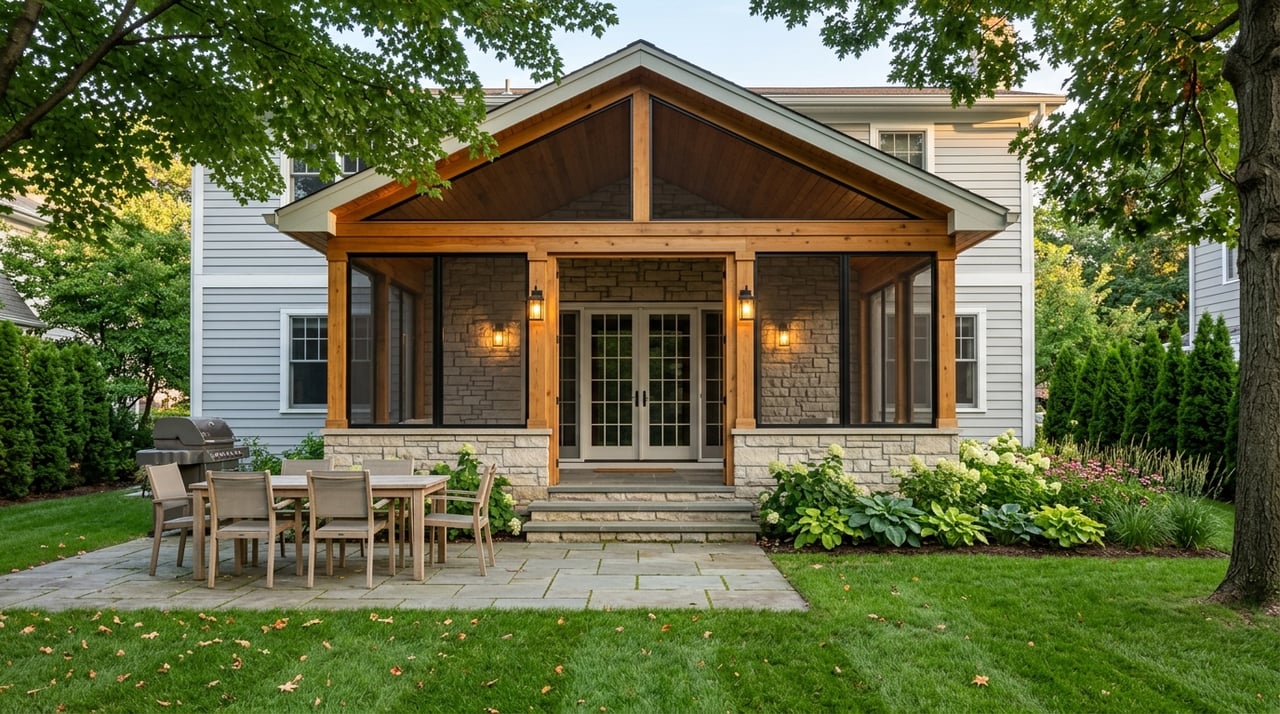
If you want a lake getaway without spending hours on the road, Prior Lake deserves a close look. You may be dreaming about a weekend place for boating, quiet mornings by the water, or a cabin-style retreat that still feels practical to own year-round. This guide will help you understand what makes Prior Lake appealing, what to watch for before you buy, and how to approach the process with confidence. Let’s dive in.
Why Prior Lake works for a second home
Prior Lake offers a rare mix of convenience and lake lifestyle. According to the city, it is about 24 miles from Minneapolis and around 20 miles from MSP, which makes it realistic for weekend use without a long drive.
At the same time, it does not feel like a purely urban setting. The city describes Upper and Lower Prior Lake as some of the metro area’s most popular lakes for boating, skiing, and fishing, and it also highlights more than 50 parks, roughly 1,000 acres of parkland, and over 100 miles of trails and sidewalks.
That combination matters when you are buying a second home. You are not just purchasing a house. You are choosing how easy it will be to enjoy the property regularly, in every season.
What the local market suggests
Prior Lake is not a tiny seasonal cabin market with only a handful of listings. It behaves more like a mature suburban market with enough activity to give buyers options, while still requiring preparation when the right property appears.
As of April 30, 2026, Zillow estimated Prior Lake’s average home value at $531,466, with 120 homes for sale and a median 29 days to pending. Redfin reported a three-month median sale price of $456,734 ending April 2026, along with a median 42 days on market.
Those are different data points, so they should not be treated as direct apples-to-apples comparisons. Still, together they point to a market with meaningful turnover, steady buyer interest, and a need to act quickly when a well-located lake property hits the market.
Best property types for a cabin-style retreat
If your goal is second-home financing, the cleanest fit is often a one-unit, year-round home. Fannie Mae’s second-home standards require the property to be occupied by you for some portion of the year, suitable for year-round occupancy, under your exclusive control, and not operated as a timeshare or rental property.
That framework is important in Prior Lake. A property may look and feel like a cabin retreat, but the financing side works best when the home functions as a year-round residence rather than a seasonal structure.
In practical terms, many buyers should focus on homes that offer:
- Year-round access
- Full heating and utility service
- Functional kitchen and bath spaces
- Straightforward ownership of the dwelling
- A layout that works for personal use rather than shared or managed occupancy
Why lake features matter as much as the house
In a lake-area purchase, square footage is only part of the story. Access, shoreline setup, and usability can shape your enjoyment just as much as the interior finishes.
Prior Lake’s code recognizes personal boat slips on residential riparian lots and defines them as mooring for five or fewer restricted watercraft. That means dock and slip access can be a major part of the property’s value and function, especially if boating is one of your reasons for buying.
You may also find properties with water-oriented accessory features near the shore. In Prior Lake, those improvements are regulated and may be allowed only with city permits and subject to rules on setback, visibility, and size.
Before you fall in love with a shoreline lot, take time to evaluate:
- Whether the lot is riparian
- Existing dock or slip setup
- Sight lines to the lake
- Shoreline condition and erosion concerns
- Space for outdoor living
- Existing permits for lakeside improvements
Timing your search in Prior Lake
For many buyers, spring and summer are the easiest seasons to shop for a retreat property. Warmer months usually bring more listings and make it much easier to assess shoreline condition, outdoor spaces, docks, and lake access.
That timing is especially helpful in Prior Lake because so much of the lifestyle value is tied to the water. It is simply easier to understand how a property lives when the lake, yard, and exterior improvements are fully visible and in use.
The tradeoff is competition. If more buyers are looking during the warm months, desirable homes can move faster, so it helps to be financing-ready before the right property becomes available.
Second-home financing basics
Second-home financing is not the same as financing a primary residence. Lenders often apply stricter standards, and the property itself must meet clear eligibility rules.
Fannie Mae states that a second home must be a one-unit dwelling, occupied by the borrower for part of the year, suitable for year-round occupancy, and under the borrower’s exclusive control. It also cannot be a rental property, timeshare, or a property managed by a firm that controls occupancy.
Freddie Mac’s current guide shows a 90% maximum LTV, TLTV, and HTLTV for second-home mortgages. Fannie Mae also requires additional reserves in some cases when a borrower has multiple financed properties and the subject loan is secured by a second home or investment property.
The practical takeaway is simple: even if the monthly payment looks comfortable, you should expect a stronger cash-position requirement than with many primary-home purchases. If you are planning a Prior Lake retreat, talk with a lender early so you understand down payment, reserve, and occupancy expectations before you start making offers.
Understand taxes before closing
A second home in Minnesota may be taxed differently from your primary residence. The Minnesota Department of Revenue says homestead classification requires the property to be your sole or primary residence, and a married couple may have only one homestead in the state.
The state also treats non-commercial seasonal residential recreational property as a separate cabin category. Because property taxes in Minnesota are based on value and classification, it is smart to confirm how a Prior Lake property will be classified before closing.
This matters even more if you think your plans could change later. If you may eventually make the home your primary residence, or if you are considering future rental use, discussing those possibilities with a tax professional before closing can help you avoid surprises.
If you later want to homestead the property, Minnesota says the application goes through the county assessor, and the deadline is December 31 for taxes payable the following year. That is one more reason to think ahead instead of waiting until after the purchase is complete.
Know Prior Lake rental rules
Some buyers hope a second home can help offset costs through short-term rental use. In Prior Lake, that idea needs a careful reality check.
The city requires a permit for rentals of 60 to 180 days and prohibits rentals of less than 60 days in residential use districts. In other words, a true weekend-rental model is often not compatible with the city’s residential rules.
That can affect both your ownership plans and your financing. If your lender sees the property as income-driven, it may not fit second-home financing guidelines the way you expect.
Shoreline permits and property improvements
A lake retreat often comes with future project ideas. You may be thinking about a dock update, a storage shed, a shoreline improvement, or an expanded outdoor living area.
In Prior Lake, those improvements are not informal. City code may require a certified survey, a building permit, or added approvals for grading in the shoreland district, and the city also regulates docks, slips, accessory structures, and lake-facing visibility.
That does not mean improvements are off the table. It means you should budget time and money for due diligence before assuming you can change the property the way you want.
Water, septic, and flood-risk checks
Not every important issue is visible during a showing. Utility connections, wastewater systems, and flood risk all deserve early review.
If a property is not connected to city utilities, Scott County Environmental Services is the right place to confirm septic-system and water-well rules. That step is worth taking before closing, especially if you are buying an older home or a property with a more private utility setup.
Flood risk is another key part of lakefront due diligence. FEMA states that National Flood Insurance Program requirements apply in Special Flood Hazard Areas shown on FEMA flood maps, and federally regulated lenders commonly require flood insurance in those areas.
For a buyer, the point is not to assume every lake property has the same risk profile. Confirm the flood-zone status early so you can understand insurance needs, lender requirements, and total ownership costs.
Year-round ownership is part of the decision
Prior Lake may feel like a retreat, but it is a year-round suburb with active municipal services. That is good news for access and livability, especially if you want to enjoy the home beyond peak summer weekends.
The city handles snow and ice control on streets using prioritized plow routes, and property owners are required to clear adjacent sidewalks within 48 hours after snowfall ends. If you are buying a second home here, winter maintenance should be part of your plan from day one.
That includes more than snow shoveling. You should also think about heating reliability, driveway access, roof snow load, and who will keep an eye on the property when you are away.
Protecting the lake is part of ownership
Lake living comes with responsibility. Prior Lake monitors E. coli at both public beaches, notes that algae blooms are common in summer, and recommends steps like shoreline buffers and limited fertilizer use to help reduce runoff and protect water quality.
For you as an owner, that means shoreline care is not just cosmetic. It affects the long-term health of the lake and the enjoyment of your property.
A good retreat purchase balances lifestyle goals with practical stewardship. The best lake homes are the ones you can enjoy now while also maintaining responsibly over time.
A smart way to approach your purchase
Buying a second home or cabin-style retreat in Prior Lake is both an emotional decision and a technical one. You want the fun of lake weekends and quiet evenings, but you also need clear answers on financing, taxes, permits, utilities, and local rules.
That is where local guidance matters. A property that looks simple on the surface may have important details tied to shoreline regulations, classification, access, or future use.
When you approach the search with good information and a realistic plan, you put yourself in a much better position to buy a place you will enjoy for years. If you are exploring lake homes in Scott County and want practical, local guidance, talk with Chestnut Realty.
FAQs
What makes Prior Lake a good place for a second home?
- Prior Lake offers convenient access to Minneapolis and MSP, strong lake recreation, extensive parks and trails, and a year-round community setting that works well for regular weekend use.
What type of Prior Lake property fits second-home financing best?
- The clearest fit is usually a one-unit home that is suitable for year-round occupancy, used by you for part of the year, and kept under your exclusive control.
Can you use a Prior Lake second home as a short-term rental?
- In residential use districts, Prior Lake prohibits rentals of less than 60 days, and rentals of 60 to 180 days require a city permit.
What should you check before buying a lakefront home in Prior Lake?
- You should review dock and slip access, shoreline rules, permit history, flood risk, utility setup, and whether septic or well requirements apply.
How can property taxes differ for a second home in Minnesota?
- Minnesota tax treatment depends on property classification, and a second home generally will not qualify for homestead status unless it becomes your sole or primary residence.
Why does winter maintenance matter for a Prior Lake retreat?
- Prior Lake is a year-round community, so snow access, sidewalk clearing, heating reliability, and routine off-season property care should all be part of your ownership plan.